



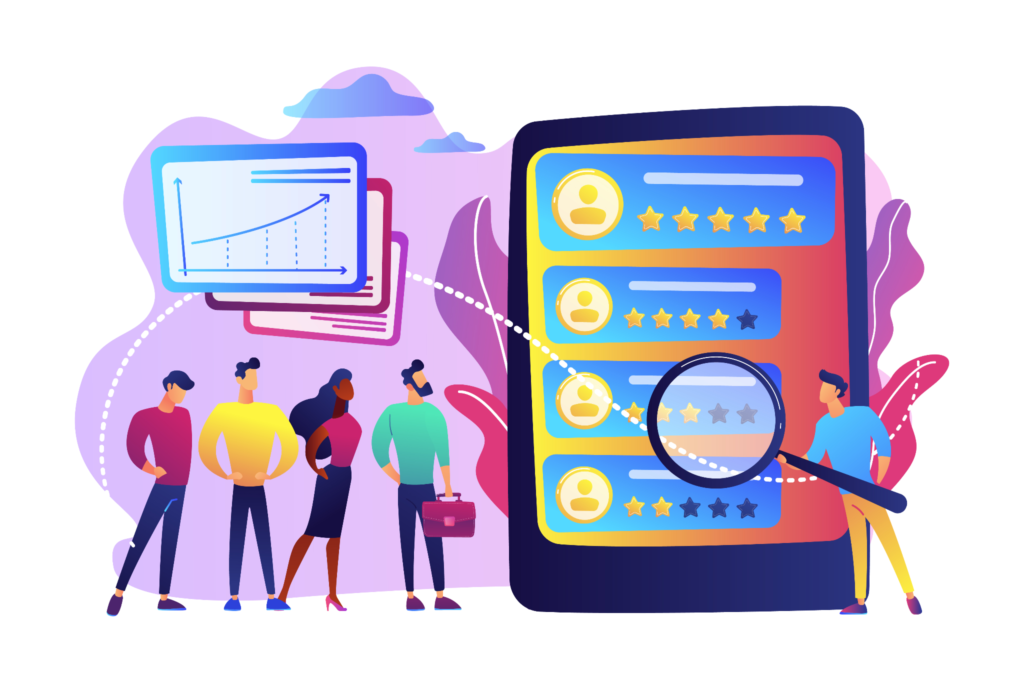
A business’s reputation used to travel by word of mouth. Today, it spreads in seconds across reviews, social posts, and search results. One negative review or a trending complaint can affect foot traffic, calls, and conversions quickly. That’s why managing your online reputation is no longer optional. It’s core to how customers find and trust your brand.
What does off-page SEO really mean?
Off-page SEO covers everything that happens away from your website that influences how people and search engines view your business. This includes reviews, third-party mentions, social signals, backlinks, and directory listings. Think of off-page work as the proof layer: it shows whether others trust you enough to recommend or link to your business.

Why does reputation affect visibility and conversions?
Search engines and customers both use reputation as a shortcut for trust. Google surfaces businesses that look reliable, those with consistent listings, positive reviews, and quality mentions. For customers, a high rating or detailed review reduces the risk of making a bad choice. In short, a strong reputation increases clicks, calls, and conversions. A weak one sends prospects to competitors.
The main reputation signals that matter
There are a few off-site signals that consistently influence results:
- Customer reviews and ratings: Frequency, recency, and detail in reviews matter more than a single five-star score.
- Local citations and listings: Consistent name, address, and phone information across directories builds trust.
- Backlinks and mentions: Quality links or mentions from authoritative sites signal credibility to search engines.
- Social proof: Active social profiles, shares, and community engagement help humanize your brand.
Focusing on these areas moves the needle for both SEO and customer perception.

Step-by-step: quick actions to improve your reputation
- Claim and verify your Google Business Profile and major directory listings.
- Request reviews from recent customers and respond to all feedback promptly.
- Monitor brand mentions with alerts and address issues quickly.
- Build a small outreach plan to earn mentions from trusted local sites.
- Keep NAP (name, address, phone) consistent across platforms.
These practical steps stabilize your presence and give you control when issues arise.
Measuring reputation impact
Track not just average rating, but review velocity (how often new reviews arrive), sentiment trends, and referral traffic from third-party sites. Combine those with business metrics like calls, direction requests, and appointment bookings to see real ROI. Over time, improvements in reputation should align with higher conversion rates and lower acquisition costs.

Repairing damage and long-term growth
If your brand faces negative press or a spike in bad reviews, act fast: acknowledge issues, fix what’s broken, and publicly document the steps you took. Long-term growth comes from consistent service, transparent communication, and actively encouraging satisfied customers to share their experience.
Conclusion
Your online reputation is now a primary driver of customer decisions and search visibility. Treat it as an ongoing program like verify listings, gather and respond to reviews, and earn quality mentions. If you’d like a clear plan to protect and grow your brand’s reputation, learn more about our Off-Page SEO services at the First97Days website.
