


For years, winning search meant pushing a page to the top of results. That still matters, but it’s no longer the whole story. In 2026, search visibility spans three overlapping areas: traditional Search Engine Optimization (SEO),
(AEO) for AI-driven answers, and Generative Engine Optimization (GEO) that targets AI tools that synthesize and cite multiple sources. Smart brands build strategies across all three because users now expect instant, trustworthy answers, not just links.
SEO: the technical and content foundation
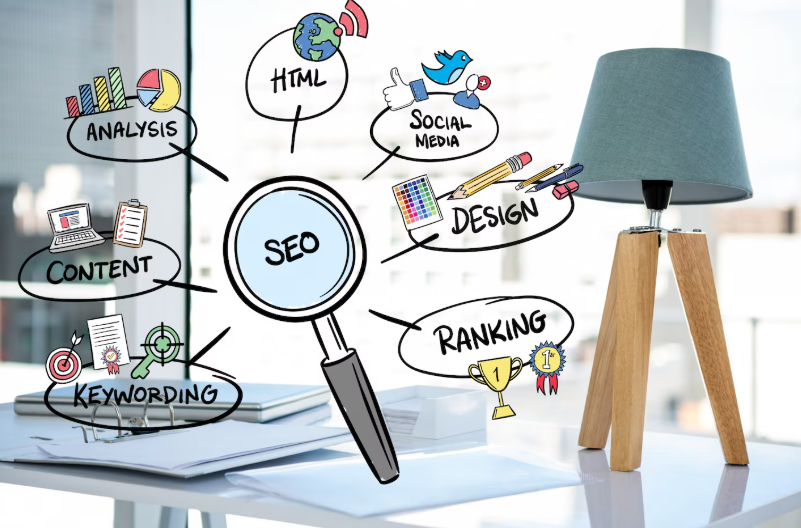
SEO remains the foundation. It covers technical health (site speed, mobile UX, crawlability), on-page structure (headings, meta, internal links), and authority (backlinks, local citations).
These signals tell search engines your site is reliable and relevant for queries. But by itself, SEO now functions more like plumbing: necessary, but not sufficient. To be visible in AI answers, you must also make content easy for models to ingest and summarize.
AEO: be the answer, not just the link
Answer Engine Optimization (AEO) focuses on preparing your content to appear directly inside AI summaries and quick answers. That means writing concise, directly stated answers to common questions, adding explicit definitions, and using FAQ or How-To schemas so AI can extract precise snippets.
In short, AEO makes your content the raw material AI uses when it composes an instant reply. It’s less about chasing keywords and more about delivering clear, authoritative micro-answers.
Webhive Digital

GEO: being a trusted source in generative replies
Generative Engine Optimization (GEO) goes one step further: AI not only pulls a short answer, but it also creates a synthesized response that cites sources. To be included in GEO results, your content must be context-rich, well-structured, and supported by reputable references.
GEO rewards content that helps an AI build a narrative, like timelines, step-by-step instructions, case examples, and clear sourcing. That means credible citations, fresh data, and content organized so a model can assemble dependable context without a human having to guess.
Webhive Digital
How do these layers interact?
Think of SEO as the base layer, AEO as the “answer-ready” layer, and GEO as the “citable context” layer. A page might rank for search queries (SEO) but still miss AI overviews if it lacks concise answers (AEO) or sourceable context (GEO).
Conversely, a highly structured FAQ could appear in AI snippets yet fail to drive organic traffic if the technical foundation is weak. The modern approach harmonizes technical SEO, crisp answers, and evidence-rich content so you’re visible wherever users look.
Practical steps to prepare your brand for Search Optimization 3.0
1) Rework content for clarity and extraction
Short, scannable answers win with AEO. Add question-first headings, 1–2 sentence direct answers, then expanded context. Use tables, bullets, and numbered steps so AI can lift and reuse content cleanly.
2) Add schema everywhere it matters
Implement FAQ, HowTo, LocalBusiness, Product, and Review schema where appropriate. Structured data helps both search engines and generative tools identify and cite your content precisely.
3) Build neighborhood and intent pages
For brands with local reach, build very specific pages that match real queries — e.g., “emergency HVAC repair near [neighborhood] after storms.” Geo-specific pages help both local SEO and GEO, because AI looks for concrete, localized examples when composing answers.
4) Keep content fresh and cited
Generative engines favor recent, accurate material. Update statistics, refresh source links, and add short expert quotes or case data that an AI can cite. Freshness and credible references increase the chance of appearing in AI summaries.
Quick checklist
- Audit top pages for page speed and mobile UX.
- Add one-sentence answers under every question header.
- Implement FAQ, HowTo, and LocalBusiness schema where relevant.
- Create 3–5 neighborhood or intent pages tied to real queries.
- Add citations for data points and refresh dated stats quarterly.
Monitor AI mentions (Perplexity, ChatGPT answers) and adapt content that’s being referenced.
Measuring results in an AI-driven landscape
Traditional rank tracking still helps, but broaden KPIs: track featured-answer inclusion, AI citations (manual checks in Perplexity/ChatGPT), rich result impressions, click-to-call for local queries, and conversion metrics tied to local intent. These measures show whether your content is being used and trusted by both humans and machines.
Common pitfalls to avoid
- Publishing long, vague pages that AI discards as low-value.
- Over-automating content generation without human editing; AI drafts need localization and verification.
- Ignoring structured data and freshness are two quick ways to lose AI visibility.
- Treating GEO as a separate campaign. It’s an integral layer on top of SEO and AEO.
A simple 90-day playbook to get started
Month 1: Audit technical SEO and implement schema on priority pages.
Month 2: Rework high-traffic content into question/answer format and create 3 intent pages.
Month 3: Run citation checks, refresh data, and sample AI tools to see how your content is cited; iterate based on findings.
Conclusion
Search optimization in 2026 rewards brands that combine technical discipline, crisp human answers, and sourceable context. AI makes discovery faster and less forgiving of vague content. Treat SEO, AEO, and GEO as complementary steps toward one goal: being the most useful, verifiable source for the customer’s question. Do that, and you won’t just rank, you’ll be the answer people and AIs recommend.
