


Introduction
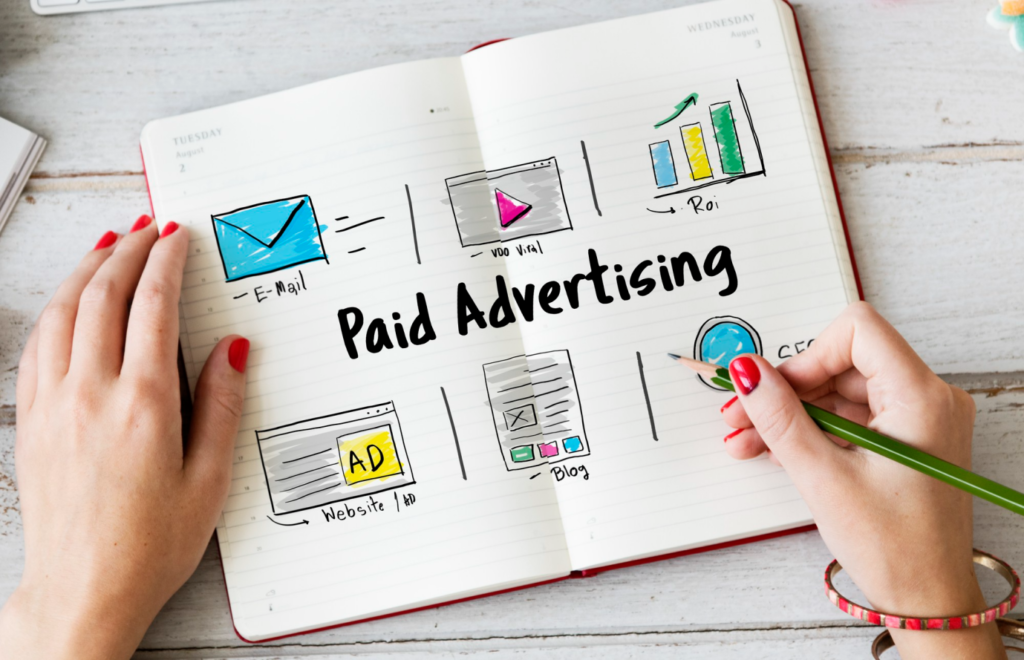
Paid search is no longer just bidding on keywords and hoping for clicks. In 2026, top PPC programs win by blending automation, better data, and channel diversity. Platforms are adding AI that automates creative and bidding.
Retail and social channels are offering direct-to-purchase ad formats. And privacy changes mean first-party data is now a tactical asset. These shifts together change how you plan, measure, and scale paid campaigns.
Top 6 Trends Driving Higher ROI
1) AI-powered campaign creation and automation
AI is now used not just for ad copy tests but for campaign setup, creative generation, and bidding at scale. Google’s Performance Max and similar goal-based campaign types let advertisers set objectives and let the platform allocate budget across Search, Display, YouTube, and more.
That reduces manual work and can lift conversions, but only when data and tracking are solid. Start by tracking baseline CPA/ROAS so you can measure AI’s impact and avoid blind optimization.
2) From keywords to audience-first targeting
Keywords remain relevant, but they’re only one signal. Audience signals (in-market segments, Customer Match, CRM lookalikes) help prioritize users who are more likely to convert.
The winning campaigns layer broad or phrase match keywords with audience signals to weed out low-intent traffic while still expanding reach. Test broad match + audiences and use observation mode to measure lift before committing to spend.
3) First-party data fuels better AI decisions
With third-party cookies fading, first-party data becomes the strategic advantage. CRM lists, purchase history, and onsite behaviors feed AI models with high-quality signals that improve targeting and bidding.
Integrating first-party lists into Customer Match, enabling enhanced conversions, and migrating to GA4 for modeled conversions are basic steps that turn your own data into better ROAS.
4) Video ads as a direct sales channel
Short-form video is no longer just awareness fuel. TikTok, Instagram Reels, and YouTube Shorts now include shopping integrations that let viewers purchase without leaving the app.
That makes video an increasingly efficient conversion channel when creative hooks the user in the first 3–5 seconds and messaging pushes a clear CTA. Design videos for silent autoplay (captions, overlays) and measure both view-through and direct conversion metrics.
5) Omnichannel PPC
Retail media networks (Amazon Ads, Walmart Connect, Target Roundel) are growing fast and capturing spend close to purchase decisions. Splitting the budget between search, social, and retail helps you reach users at different intent stages and reduces dependency on any single platform.
Use consolidated tracking (GA4 + platform APIs) to measure cross-channel performance and avoid double-counting conversions. Industry forecasts show retail media continuing strong growth.
6) AI-powered search experiences and ads
Search engines are layering AI summaries and “overviews” into results that can answer user queries without a click. That reduces traffic on some informational queries and shifts the value to transactional, local, and highly targeted searches.
Monitor which queries trigger AI Overviews in your niche and shift budget to high-intent keywords and formats that still drive clicks or direct platform conversions. Stay informed about ad placements in AI responses and adjust creatives and bids as formats evolve.
Practical playbook: how to get ROI from these trends
- Baseline and audit: Record CPA, ROAS, and conversion rates before enabling AI features.
- Data plumbing: Send first-party signals (CRM, offline conversions) into ad platforms and GA4.
- Test framework: Run controlled A/B tests for AI features (Performance Max, automated bidding) and measure full-funnel impact.
- Creative stack: Build short, mobile-first video variations and repurpose them across channels.
- Channel mix: Add retail media experiments for product lines that already sell via major retailers.
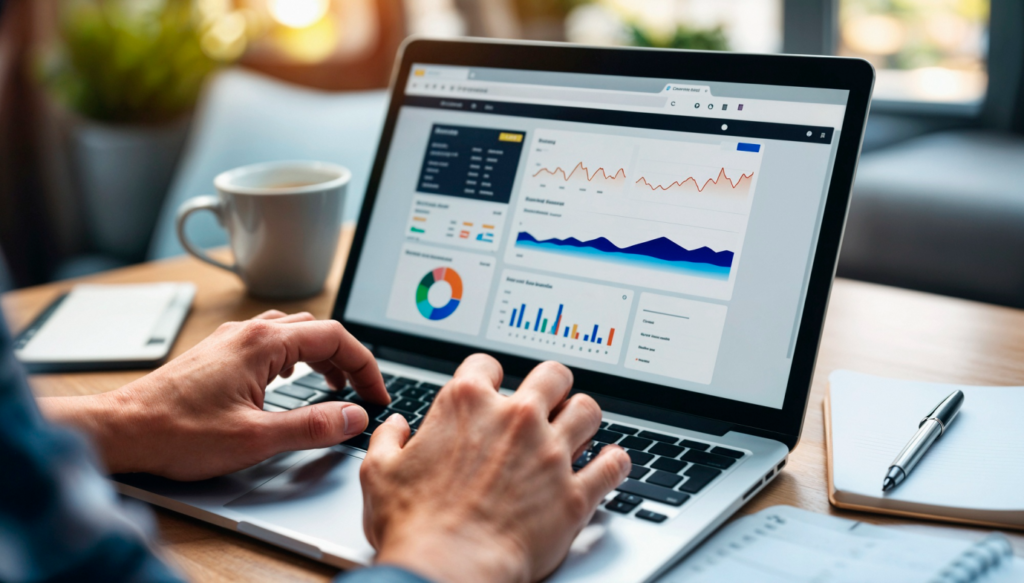
- Monitoring loop: Set weekly dashboards for spend, returns, and AI-triggered visibility changes.
These steps keep control while letting automation scale the parts that work.
Measuring success differently
Raw clicks matter less than conversions tied to intent: phone calls, purchases, form fills, and assisted conversions. With AI views reducing some clicks, emphasize funnel metrics: assist value, lifetime value of acquired customers, and retention.
Link PPC results to downstream business metrics to justify spend beyond last-click. Use GA4’s cross-platform modeling to account for cookie gaps and better attribute conversions.
Common mistakes to avoid
- Turning on automated campaigns without clean conversion tracking.
- Treating AI output as final. Always human-review creative and copy.
- Overconcentrating on a single platform while retail media grows.
- Ignoring first-party capture opportunities (newsletter opt-ins, onsite carts)
Avoid these, and you’ll protect ROI while innovating.
Conclusion
PPC in 2026 is less a toolbox of isolated tactics and more an integrated system. The brands that win will be those that treat automation as a force multiplier, own their data, diversify where customers shop, and measure for business outcomes rather than clicks alone. Start small, measure, and scale what truly moves the needle.
